Everything we offer, in one place
Available now
Care for an older person
Specialist adult support
Autism support
Learning disabilities
Mental health support
Behavioural distress
Supported living
24-hour & intensive support
Hospital discharge
Home help & cleaning
Not yet available
Dementia support — not currently offered
Children & young people — not currently offered
Two-week rotational live-in care — not currently offered
Guidance for families
Choosing a care provider
Signs support is breaking down
When you can no longer do it
Planning for the future
All family guidance
Who the support is for
Older people
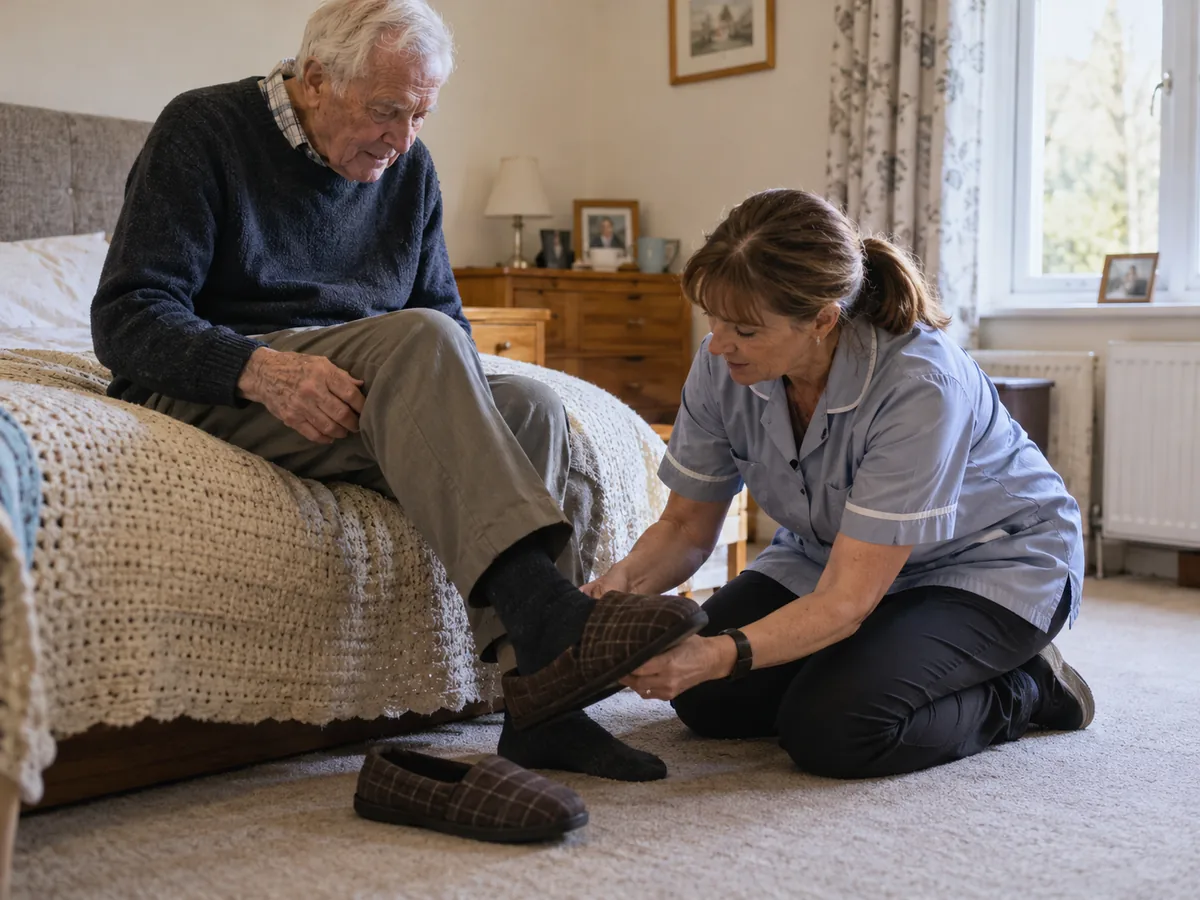
Unhurried visiting care at home with a two-hour minimum — personal care, meals, companionship, help around the house and familiar routines kept in place.
Care for an older person →Adults with specialist support needs
Our established service: autism, learning disabilities, mental health needs and behavioural distress, including supported living, hospital discharge and 24-hour support.
Specialist adult support →Both are delivered by the same employed team, with the same approach to continuity. What differs is who the support is for and how it is usually funded and referred.
What our team can discuss
Personal care and everyday help
Support with washing, dressing, routines, meals, mobility-related tasks within assessed competence and household activities. Personal care is a CQC-regulated activity.
Companionship and community
Social connection, shopping, appointments, hobbies, outings and practical support that helps people stay involved in their own communities.
Autism and learning disabilities
Individual approaches to communication, independence and goals; support at home and in the community, subject to assessed needs and appropriate staff competence.
Mental health and complex support
Structure, practical assistance and relationship-led support alongside the person's wider clinical or professional team, without promising clinical treatment.
Night support
Sleep-ins and waking-night support are different staffing models, and we explain which may be suitable and available.
Dementia-related care
A longer, more settled visit can make space for familiar routines, companionship and what the person can still do for themselves. We are not currently offering a dedicated dementia service.
Our assessment comes before our promise
We consider the wishes of the person, risks, communication, capacity and consent where relevant, current staff skills, safe staffing, location and continuity. We will not agree a care package we cannot safely deliver.